
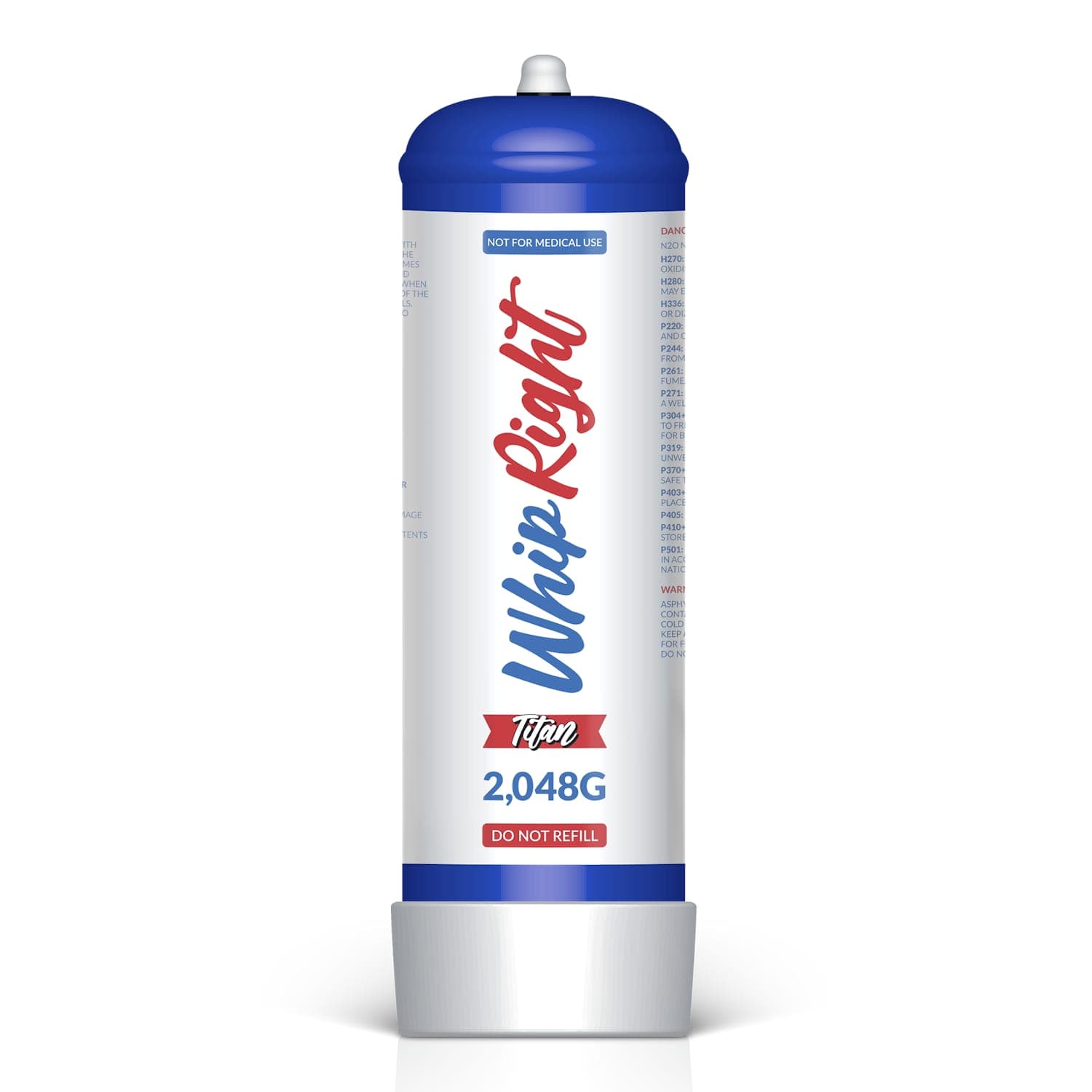
Nang Tank Comparison: 1L vs 2.2L vs 3.3L
Choosing the right tank is not only about size. Capacity, storage space, compatible equipment, and safe handling all matter.
Quick Comparison
- 1L tanks are usually easier to store and handle for lighter or occasional culinary use
- 2.2L tanks suit regular use where fewer swaps and better value per volume may matter
- 3.3L tanks suit higher-volume needs but require more careful storage and handling
Capacity, Yield, And Value
Larger tanks usually reduce how often you need to swap cylinders, but actual yield depends on the product, dispenser setup, recipe, and usage pattern.
For occasional use, a smaller tank can be easier to manage. For frequent culinary prep, a larger tank may be more practical.
Compare the live product details before buying because stock, size, and product specifications can change.
Safety And Storage
- Store tanks in a cool, dry, well-ventilated place
- Keep tanks away from heat, flames, and direct sunlight
- Secure larger tanks so they cannot tip or roll
- Use only compatible dispensers, regulators, hoses, and fittings
- Follow the manufacturer instructions supplied with the product
Accessories And Compatibility
Before buying, check whether you need a compatible dispenser, pressure regulator, hose kit, nozzle, or storage accessory.
Do not assume every tank fits every dispenser. If you are unsure, check the product page or ask before ordering.
Responsible Use
Whipco products are supplied for culinary use only. Some products are restricted to adults and proof of age may be required.
Do not misuse nitrous oxide products or supply them to anyone underage.
FAQs
Which nang tank size lasts longer?
Larger tanks generally last longer, but actual yield depends on your equipment, recipe, and usage pattern.
Is a 1L tank enough?
A 1L tank can suit lighter culinary use or buyers who want easier storage and handling.
Will a tank fit my dispenser?
Compatibility depends on the dispenser, regulator, hose, fittings, and tank type. Check the product details before buying.
How should tanks be stored?
Store them cool, dry, upright, secured, ventilated, and away from heat or direct sunlight.